
Ten Things the Doctor Will Not Tell You

Would you know if your eye doctor was overcharging you or feeding you the wrong information? Find out the common eye doctor myths!

10 Things the Eye Doctor Will Not Tell You

1) Ophthalmologists and Optometrists are not the same thing.

Optometrists, who have a doctor of optometry degree, check you for glasses, whereas ophthalmologists are licensed to practice medicine and treat eye diseases. Over the years, the lines between these two eye professionals became blurred, as all 50 states widened regulations to allow optometrists to treat many of the same medical conditions that ophthalmologists previously treated. Rule of thumb: For regular checkups, as well as problems affecting the surface of the eye, such as allergies, an optometrist is sufficient. If you are experiencing serious symptoms such as loss of vision or seek eye surgery, you should visit an ophthalmologist.

2) Many eye tests are not necessary.

A few tests during a routine checkup are normal: the eye chart that gives a basic idea of what you can see; a refraction test that requires you to look through a machine to determine your exact prescription; and a cover test that reveals how your eye muscles work together. But some “routine” tests for otherwise healthy patients are probably unnecessary. A “visual field examination” in which a machine is used to peripheral vision may not be necessary, and “photography of the eye” can be another unneeded test. If you are paying over $100 per visit, you are probably paying too much.

3) Online is a great place to buy glasses.

The Internet is a great place to buy glasses. Online, you can find cheaper versions of designer glasses, as well as normal reading glasses. Most single-vision lenses are precast in large quantities and cost about $1 to make; however, their retail price at the store or a private practice is often marked up to be over 50 times the manufacture price. Because most eye doctors want you to buy glasses from them, make sure to check out the selection online first. You may just save a buck or two hundred.

4) Doctors are required by law to give you your contact lens prescription.

Eye doctors have been required by law to give you your eyeglasses prescription after the exam, enabling you to buy glasses wherever you want. It wasn’t until early 2004 that they had to do the same with contact lenses. Under the new law, a doctor can no longer make you buy your lenses from his or her office once the exam and question stage is complete.

5) Just because your child is squinting does not mean they need glasses.

A Vanderbilt study found that kids are more likely to be prescribed unnecessary glasses if they see an optometrist or general ophthalmologist than if they go to a pediatric ophthalmologist. The study also found one in five kids who wear glasses do not need them. If your child does need glasses, avoid mass retailers and use a shop that specializes in kids’ glasses since fitting their prescription and frames can be tricky.

6) Extras for glasses, such as scratch coatings, are not necessary.

Extra coatings such as anti-glare or scratch-resistant coatings are not always necessary. Some eye doctors will suggest these extras simply to make more money. Most of the time, a basic, plastic lens is adequate so be sure to ask your doctor questions before getting the extras.

7) Lasers used for LASIK eye surgery are not created equal.

Laser surgery — the most common refractive surgery that alters the eye to correct vision — continues to boom in the number of people opting to receive the procedure. However, even with the best equipment, surgeons must be consistent in getting their lasers updated regularly to help guarantee a safe performance. When shopping for a laser surgeon, ask doctors how often they perform treatments. A good resource to research laser options is the Food and Drug Administration (FDA) informational site (FDA.gov).

8 ) Laser surgery does not last forever.

While LASIK surgery puts your odds of 20/20 — or better — at roughly 94 to 98 percent, up to 10 percent of patients need a follow-up procedure or enhancement. Perfect vision does not last forever, and as the eyes age, you may still need reading glasses.

9) Not all glaucoma eye drops are safe.

Glaucoma, a disease caused by a damaged optic nerve, can lead to irreversible loss of vision. Doctors prescribe pressure-lowering eye drops to glaucoma patients, and sometimes a patient is prescribed two or more types of drops. Glaucoma eye drops are a big business, and many cause a laundry list of side effects and are often dangerous. It is best to research or talk to a doctor you can trust about eye drops and their side effects.

10) If you need your glasses adjusted, it is easy to learn to do it yourself.

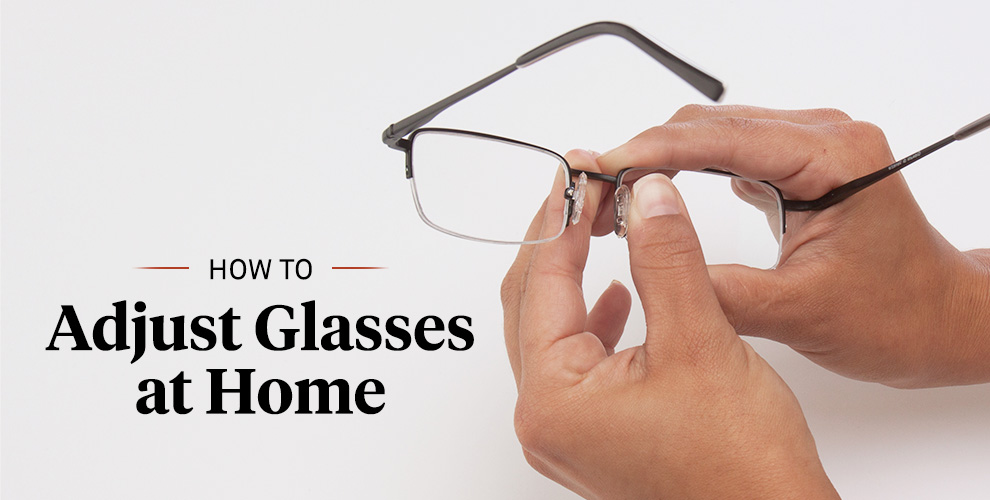
If you decide to adjust glasses yourself, it is important to be extremely careful while doing it. The adjustable parts of glasses are small, thin, and easily damaged if twisted the wrong way. That being said, there are many how-to websites that provide step-by-step tutorials on simple ways to adjust glasses, including this one.

Resources on Ten Things Your Doctor Will Not Tell You

Leave a Reply

You must be logged in to post a comment.