Amber eyes affect about 5% of the world's population, featuring a rare golden-yellow hue from pheomelanin pigment. They differ from brown by lighter, warmer tones and stand out dramatically.

Quick Facts on Amber Eyes

  • Rarity: Only 5% globally; more common in South America, Middle East, Asia than Europe or Africa.
  • Appearance: Yellow-brown, golden, or copper; solid color without green flecks like hazel.
  • In Animals: Frequent in dogs, cats, wolves, owls—less rare than in humans.

How Rare Are Amber Eyes?

Amber eyes occur in roughly 5% of people worldwide, making them rarer than green (2%) but less than gray. Prevalence varies by region: higher in Spanish descent, South America, parts of Asia and the Middle East. Their striking glow comes from low eumelanin with high pheomelanin, creating a unique golden effect.

What Causes Amber Eye Color?

Genetics Role

At least 16 genes influence eye color; amber can appear even without parental amber eyes due to complex inheritance. Variants in OCA2 and HERC2 genes reduce melanin production for lighter tones.

Melanin Breakdown

  • Pheomelanin (reddish-yellow): Dominant in amber, gives golden hue.
  • Eumelanin (black-brown): Lower levels keep eyes light vs. dark brown.
    Amber results from balanced pigments scattering light for a wolf-like glow.

Amber Eyes vs. Brown Eyes vs. Hazel

Feature Ambe Eyes Brown Eyes Hazel Eyes
Pigment Mix High pheomelanin, low eumelanin High eumelanin Mix with green/gold flecks
Tone Golden-yellow,copper Darker brown Changing green-gold-brown
Rarity ~5%worldwide Most common (~79%) ~5-8%
Light Reflection Bright golden glow Minimal shimmer Multi-color shifts

Amber appears lighter and warmer than brown due to less eumelanin; lacks hazel's green flecks.

Celebrities with Amber Eyes 

Amber eyes captivate in Hollywood with their luminous quality. Notable examples include:

  • Jennifer Lopez: Warm golden tones.
  • Justin Bieber: Bright copper hue.
  • Jennifer Garner: Subtle amber glow.
  • Nicole Richie, Darren Criss, Eliza Dushku: Striking examples of this rare trait.

Best Reading Glasses Frame Colors for Amber Eyes

Matching Warm Tones

Amber's gold undertones pair beautifully with:

  • Gold, copper, warm tortoiseshell frames to echo the eye's warmth.
  • Tortoise or light brown for harmonious blend.

Complementary Contrasts

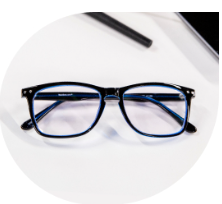
  • Cool blues, teal, or purple to make amber pop dramatically.
  • Lighter blues for pale amber; deeper blue-purple for richer shades.

Amber Eyes Style Guide

Practical Tips for Amber Eyes & Eyewear

Frame Selection Advice

  • Test frames in natural light to see how they enhance your eye glow.
  • Prioritize lightweight readers for all-day comfort with stylish colors.
  • Readers.com Frame Finder helps filter by color and fit.

Eye Care for Lighter Eyes

Amber eyes may be UV-sensitive; choose readers with blue light blocking for screens.
Consult an optometrist for personalized advice.

FAQs About Amber Eyes

How rare are amber eyes?

About 5% of the global population has true amber eyes, rarer in Europe/Africa than Asia/South America.

What causes amber-colored eyes?

High pheomelanin (yellow-red pigment) with low eumelanin creates the golden tone via genetics.

Best glasses frames for amber eyes?

Gold, tortoiseshell, or copper to match; blue, teal, or purple for contrast.

Back to Hub