A diopter chart measures the lens strength you need for reading glasses. Hold the chart 14 inches away: the smallest line you read clearly matches your likely diopter, such as +1.50 or +2.00.

If small print has become harder to read, you’re not alone. Many adults notice near vision changes after age 40 due to Presbyopia, a normal age-related loss of focusing ability. The National Eye Institute says presbyopia commonly begins after age 45 and can make reading, phone use, and close work more difficult. A diopter chart for reading glasses can help you estimate your starting strength at home before buying readers.

Reviewed for accuracy by the Readers.com Editorial Team using guidance from the American Optometric Association and National Eye Institute.

What Is a Diopter Chart?

A diopter chart is a vision test card used to estimate the magnifying power you may need in reading glasses.

“Diopter” is the unit used to measure lens strength. For over-the-counter reading glasses, strengths usually range from +1.00 to +3.50.

The higher the number, the stronger the magnification.

Common search terms for this tool include:

  • printable diopter chart
  • online diopter chart
  • diopter reading test card
  • reading glasses strength chart
  • what strength readers do I need

How Do I Use a Diopter Chart at Home?

Use these steps for the most accurate result:

  1. Print the chart at 100% size or use a properly scaled online diopter chart.
  2. Put on your normal distance glasses or contacts if you wear them.
  3. Stand or sit in bright lighting.
  4. Hold the chart 14 inches away from your eyes.
  5. Read down to the smallest line you can see clearly.
  6. Match that line to the suggested power.
  7. Test nearby strengths (+0.25 to +0.50 above or below) for comfort.

Important: A chart gives an estimate. Comfort, working distance, and eye health also matter.
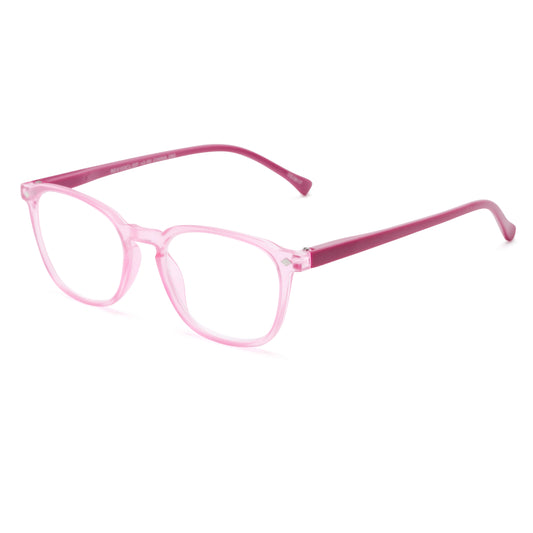
Reading glasses power finder.

Reading Glasses Strength Chart: What Power Readers Do I Need?

Diopter Strength Best For Often Includes Typical Use
+1.00 Early mild near blur Menus,labels
+1.25 Mild presbyopia Phone reading
+1.50 Moderate early needs Books, hobbies
+1.75 Clearer close detail Daily reading
+2.00 Stronger near help Extended reading
+2.50 Advanced near support Fine print
+3.00 to +3.50 Very close tasks Detailed close work

Tip: If you read at arm’s length, you may need a stronger lens. If screens feel too close, you may need a lower strength.

+1.00 Power Readers
+2.00 Power Readers
+2.50 Power Readers

Is +1.00 or +2.00 Stronger in Reading Glasses?

+2.00 is stronger than +1.00.

Reading glasses use positive-powered lenses. As the number increases, magnification increases.

So:

  • +1.00 = lighter help
  • +1.50 = moderate help
  • +2.00 = stronger help
  • +3.00 = very strong help

Choose the lowest power that gives clear, comfortable vision.

Age Guide vs. Diopter Chart: Which Is Better?

Many people shop by age, but age guides are only rough estimates. A diopter reading test card is usually more accurate because it tests your actual near vision.

Method Best Use Accuracy
Age-based guide Quick starting point Moderate
Diopter chart Home estimate based on vision Better
Eye exam Prescription and eye health check Highest

The American Optometric Association recommends comprehensive eye exams to detect vision changes and eye disease.

When a Diopter Chart Is Not Enough

Use caution if:

  • One eye is much blurrier than the other
  • You get headaches with readers
  • Words double or shadow
  • Distance vision is also blurry
  • You have diabetes or eye disease
  • You need readers stronger than +3.50

These may signal a prescription need or another vision issue.

What are reading glasses and how they help.

Do I Need Bifocals Instead of Readers?

If you need help with both distance and near vision, single-power readers may not be enough.

You may benefit from:

  • Bifocals: distance on top, reading segment below
  • Progressives: gradual power change
  • Prescription readers: custom fit for each eye

Bifocal reading glasses guide.

Why Near Vision Changes After 40

Presbyopia happens when the eye’s natural lens becomes less flexible with age, making close focus harder. It is common and normal, not a disease.

Many people first notice it when:

  • They hold menus farther away
  • Need brighter light to read
  • Feel eye strain after screen time
  • Need larger font sizes

How to Choose the Most Comfortable Strength

Once your chart suggests a power:

  1. Try that strength first.
  2. Compare one step lower.
  3. Compare one step higher.
  4. Pick the clearest option that feels natural for 10–15 minutes.

Too strong can cause eye strain. Too weak can make you squint.

Key Takeway

  • A diopter chart helps estimate reading glasses strength at home by testing what you can read clearly at 14 inches.
  • Higher plus numbers mean stronger magnification: +2.00 is stronger than +1.00.
  • Choose the lowest comfortable power that gives clear near vision.
  • Presbyopia is a normal age-related change that commonly begins after 40–45.
  • If vision is uneven, painful, or blurry at all distances, schedule an eye exam.

FAQ Section

How do I use a diopter chart at home?

Print the chart at full size, hold it 14 inches away in bright light, and read the smallest clear line. The matching number suggests your reading glasses strength. It is an estimate, not a prescription.

What diopter do I need for reading glasses?

The right diopter depends on your near vision and reading distance. Many adults start around +1.00 to +1.50, then gradually increase over time as presbyopia progresses.

Is +1.00or +2.00 stronger in reading glasses?

+2.00 is stronger than +1.00. Higher plus numbers provide more magnification for near tasks like reading fine print.

Back to Hub